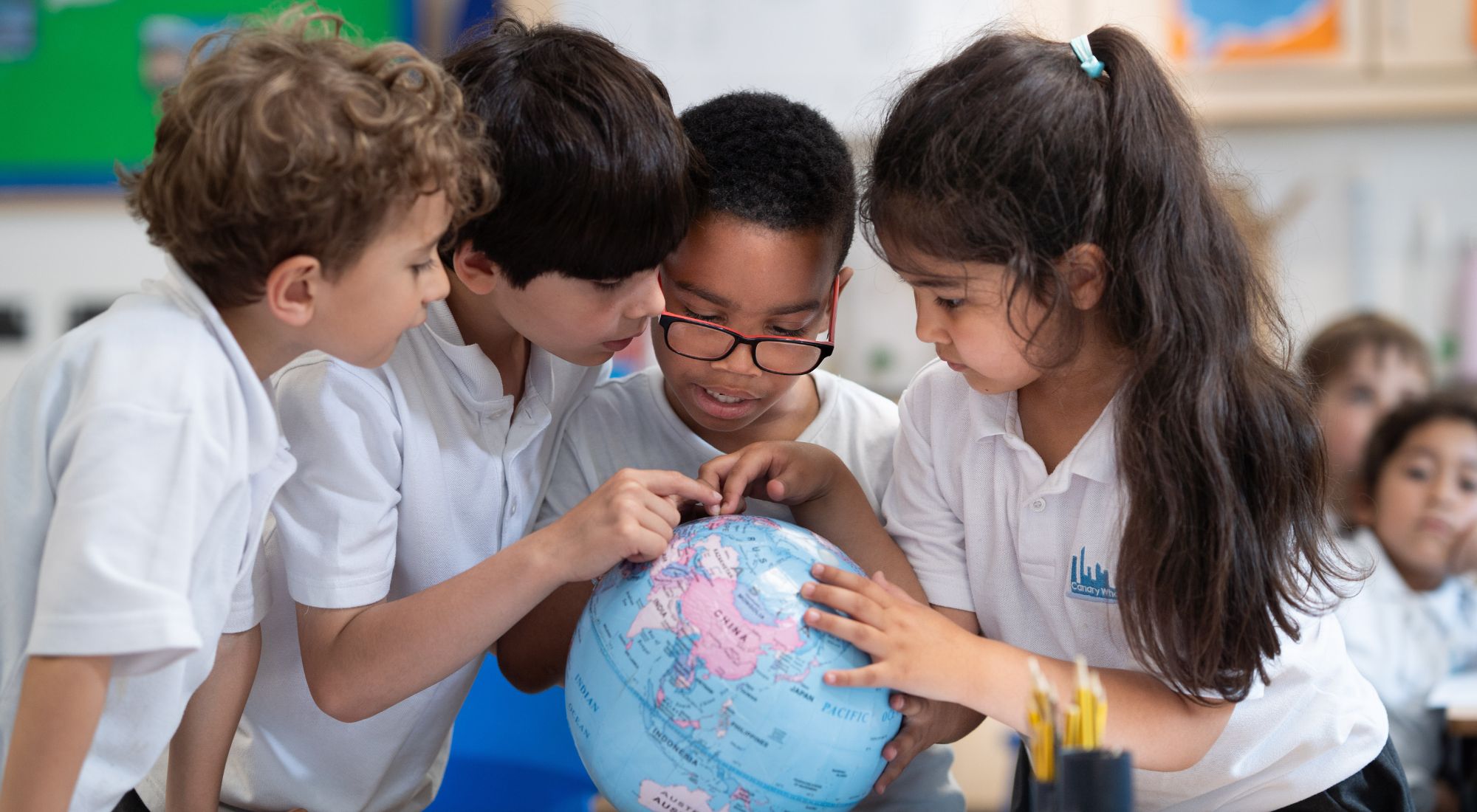

At Canary Wharf Primary Glenworth, we believe that children thrive when they feel safe, valued and respected. We are committed to creating a calm, caring and purposeful environment where every child can learn successfully and develop positive relationships with others.
Our approach to behaviour is built on high expectations, strong relationships and a shared commitment to our school values. From Reception through to Year 6, we teach children the behaviours and attitudes that help them become confident, responsible and considerate members of our school community.
Our Golden Rules
At Canary Wharf Primary Glenworth we encourage all children to follow our five Golden Rules:
- Do your best
- Follow instructions first time
- Be kind and honest
- Look after your own and others’ belongings
- Move around calmly and safely
These simple expectations help create a positive learning environment where everyone feels respected, included and able to achieve their best.
Promoting positive behaviour
We believe that positive behaviour should be taught, modelled and celebrated. Staff build strong relationships with pupils and recognise effort, perseverance, kindness and positive choices on a daily basis.
Through clear routines, consistent expectations and positive reinforcement, children develop self-discipline, resilience and the confidence to make responsible decisions.
Celebrating success
We believe that recognising and celebrating positive behaviour helps children develop confidence, motivation and pride in their achievements.
Across the school, children work together to earn Class Points. Once a class reaches ten points, they enjoy a reward chosen collectively, encouraging teamwork, cooperation and a shared sense of responsibility.
Each week, children are recognised in our Celebration Assembly through our Star of the Week awards. These certificates celebrate pupils who have demonstrated our school values and made a positive contribution to school life
A restorative approach
We use a restorative approach to behaviour. When difficulties arise, children are supported to reflect on their actions, understand how others may have been affected and consider how they can make things right.
Restorative conversations help children develop empathy, responsibility and effective communication skills, enabling them to learn from mistakes and strengthen relationships.
Personal development and wellbeing
We recognise that behaviour is closely linked to children’s emotional wellbeing and personal development. Through our curriculum, assemblies, pastoral support and daily interactions, children are taught how to:
- Build positive relationships
- Manage emotions appropriately
- Show respect and empathy
- Resolve disagreements peacefully
- Demonstrate resilience when faced with challenges
We use the Zones of Regulation framework to help children identify, understand and manage their emotions. This shared language supports children in developing self-awareness, self-regulation and positive strategies for responding to different situations and feelings.
By helping children understand themselves and others, we equip them with the skills needed to succeed both in school and beyond.
Working in partnership with families
Strong partnerships between home and school are essential in supporting children’s behaviour and wellbeing. We work closely with families to ensure that expectations are understood and that children receive consistent support.
Together, we help children develop the confidence, character and values needed to become successful learners and positive members of society.